Microsoft is reportedly about to cut thousands more jobs, and I felt that headline in my body before I finished reading it. Not because I work there. Because I know the shape of it now — the way you know a wave is going to break before it does. And I keep circling the same thought I can’t put down: the industry that a generation treated as the safe harbor — the promised land, the thing you were told to run toward — turned into open water so fast that most of us are still calling it a harbor while we tread water in it.
Think about what people gave to get in. They crossed oceans for it. Learned a second language, then a third, for it. Uprooted families, left elders behind, spent the good years of a marriage in a different time zone — because a job in tech meant you had arrived somewhere safe. It was the modern version of steady work: a place you could plant a life and trust the ground. That was the deal. That was the whole story we were sold, and a lot of us bought it with everything we had.
Then the deal quietly rewrote itself, one clause at a time, and you signed each new page because what else do you do. The grind first — the always-more, the ship-it-yesterday, the Sunday that stopped feeling different from Monday. Then the interview gauntlet: six rounds, a take-home project you pour a weekend into, a “we decided to go another direction,” and they keep your work anyway. Then the job itself, where the phone never really leaves your pocket and “off” becomes a word other people get to use. Then review season — the theater of proving, again, that you deserve the seat you already earned, in front of the people deciding whether you keep it. Then the rumors. The all-hands with the carefully worded slides. The strange, sick guilt of surviving a round that took people better than you. Then, one ordinary morning, it’s your turn — a calendar invite with no subject line, a stranger from HR, a laptop that stops working before the call is even over. And then you’re sitting at your kitchen table writing a post about it, because it’s the only lever you have left, and that’s the part nobody warns you about.
Here is what actually unsettles me, though. It isn’t that this happened. Industries change; harbors silt up. It’s how fast it happened. A generation’s safe haven became a pressure system in less time than it takes to pay off the degree that got you in the door. The tech sector shed hundreds of thousands of jobs across the last few years, and the number stopped feeling like news somewhere along the way — which might be the most telling detail of all. We got used to it. That’s the speed I mean. Not just the change, but how quickly a person can be trained to expect it.
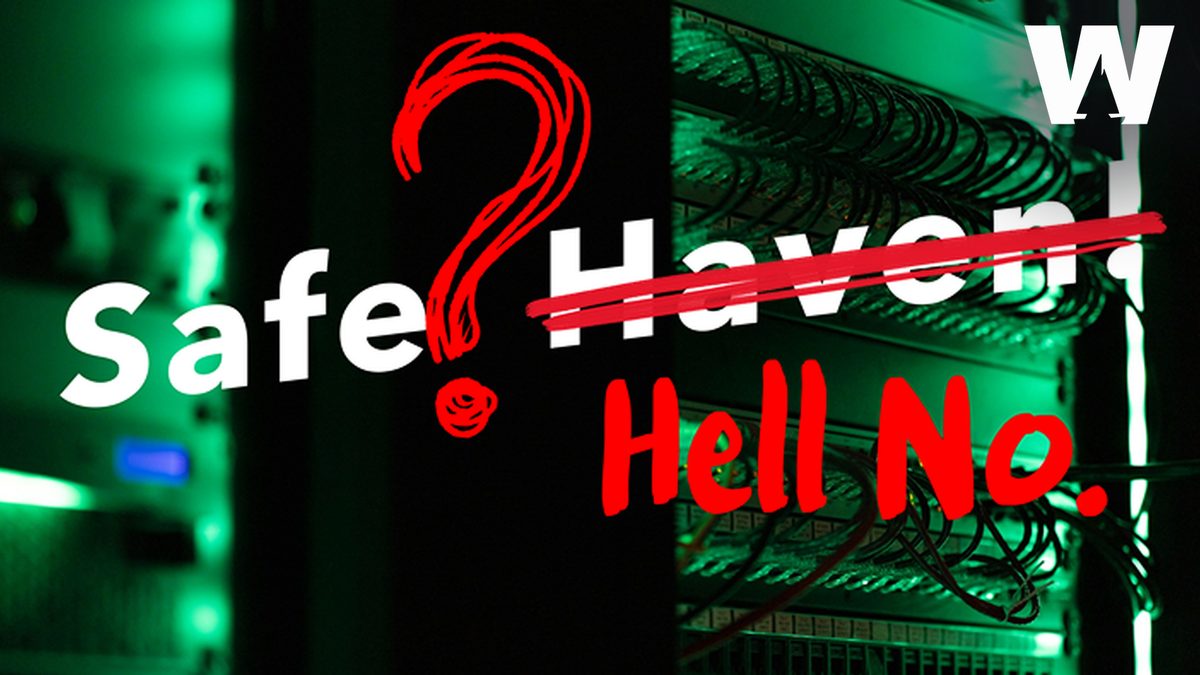
So I’ll say the thing this taught me plainly: I will never again call an industry a safe haven. And I will never again be surprised when radical change swallows hundreds of thousands of people almost overnight. That isn’t cynicism. It’s just the map corrected to match the coastline.
And there’s a particular weight in the fact that this news carries Satya Nadella’s name. This is the leader who titled his book Hit Refresh, who has been open that the empathy he says he leads by was shaped as much by grinding through this industry as by raising a son with disabilities. Let me be clear about how I hold that, because it matters to me: what he and his family carried, I have nothing but reverence for. I’ve watched people I love walk versions of that same road — the caregiving that never clocks out, the love and the exhaustion braided so tightly you stop being able to tell them apart, the way it quietly reorders a person at the root. So many families are somewhere on that road right now, unseen. I believe every word he’s said about how it reshaped the way he sees work, impact, and what a more humane company could even be. This is not a shot at that part of his life or his character — it’s the opposite. It’s me taking it completely seriously. Which is exactly why the tension won’t leave me alone. I watch thousands of people get cut under that same name, and I don’t think the honest conclusion is that the empathy was a performance. I think it’s harder than that: a person can be genuinely remade by that kind of love and empathy and still sit atop a machine that grinds regardless. Both can be true at once. That’s what unsettles me most — not that the empathy is fake, but the possibility that even the realest version of it isn’t enough to change the shape of the thing.
What I don’t think we talk about honestly is what living inside that correction does to a person. When your work is also your identity — and in tech, for a long time, it was engineered to be — a layoff doesn’t read as an economic event. It reads as a verdict. In my experience, some part of you doesn’t file it under “market conditions.” It files it under threat, and it keeps that drawer open for what feels like months. Sleep thins out. The inbox becomes a thing you brace for. You catch yourself performing okayness in conversations you used to just have. None of that is weakness — it’s what anyone does when the ground they trusted moves. Feeling the weight of it doesn’t make you soft. It makes you honest.
I can only tell you what working through it looked like for me — and this is one person’s account, not a prescription; if you’re in the deep end of it, real support beats anything a founder writes on the internet. When I got laid off a few years back, I read it as a referendum on my worth, and I held that reading far too long. What moved it wasn’t a mindset hack. It was slower than that. I started naming the fear out loud instead of obeying it — this is fear talking, not a fact about me. I stopped protecting the story and said the actual thing to people who’d lived their own version of it, and what came back — “yeah, me too, here’s where I landed” — did more than any amount of private problem-solving. The loss hurt. But the story I’d built about what the loss meant turned out to be the heavier thing to carry, and that was the part that needed setting down.
Some of you are already thinking it: you’re holding yourself back by writing about this instead of moving on. To those folks — you’re partially right. I have moved on. I founded Weathered Sailor. I built a thing with my hands and my name on it, and most days that is where my head is. But I’m at peace doing both at the same time right now, because it’s still raw enough that pretending otherwise would be its own kind of lie, and because the value of processing it in the open — and trading notes with people who’ve been in the same water — is too high to walk away from yet. Moving forward and looking back aren’t opposites. Some seasons you do both, and the doing-both is the work.
That’s where I’ve landed for now, which is to say: not landed at all, just steadier in the not-knowing. The harbor was never as safe as we were told. But the people treading water next to you are real, and it turns out that’s the part worth holding onto.
If you’ve lived a version of this — the safe thing that stopped being safe — I’d genuinely like to know where you landed.
References
Microsoft plans thousands of job cuts. Business Insider (June 2026). https://www.businessinsider.com/microsoft-job-cuts-layoffs-sales-consulting-2026-6
Layoffs.fyi — Tech layoff tracker. https://layoffs.fyi
Nadella, S. (2017). Hit Refresh: The Quest to Rediscover Microsoft’s Soul and Imagine a Better Future for Everyone.