


Mental Health Awareness Clothing: What It Is and Why It Actually Matters
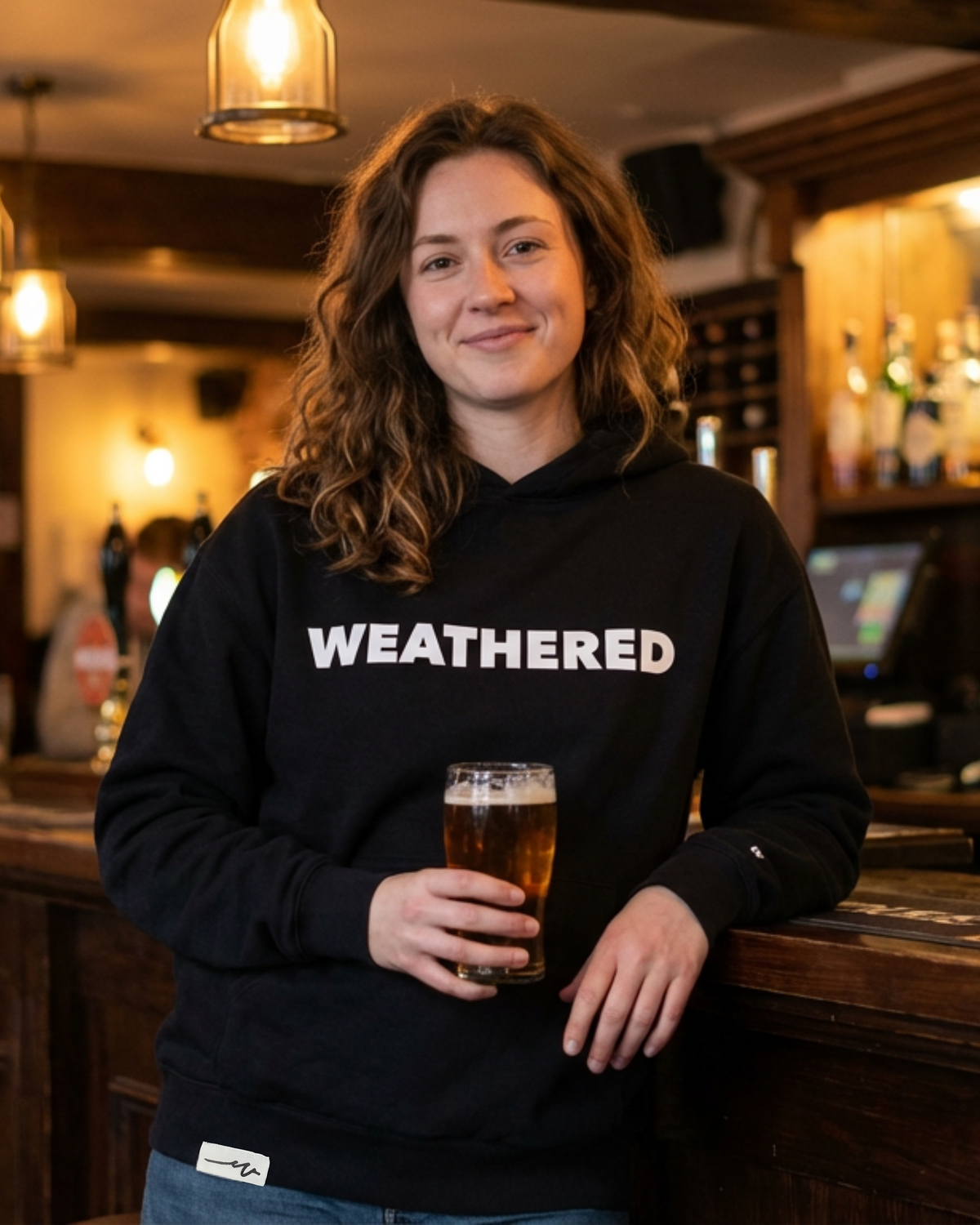
There's a shift happening in how people talk about mental health — and it's showing up in what they wear.
Mental health awareness clothing has moved well beyond the green ribbon. It's become a legitimate category of streetwear, one where the design, the brand story, and the purchase itself are all part of a larger statement: I've been through something. I'm still here. And I'm not hiding it.
This piece breaks down what mental health awareness clothing actually means, why it resonates, and what separates the brands doing it authentically from those slapping a semicolon on a tee and calling it advocacy.
What Is Mental Health Awareness Clothing?
At its simplest, mental health awareness clothing is apparel designed to reduce stigma, open conversation, or express solidarity with people who live with mental health conditions.
That can look like:
- Symbol-based apparel — items featuring the semicolon project, green ribbons, or other recognized mental health symbols
- Slogan-forward pieces — shirts or hoodies with direct messaging ("You are not alone," "It's okay not to be okay")
- Mission-driven brands — companies where the clothing is secondary to the cause; a portion of profits goes toward mental health organizations
- Identity-based streetwear — brands built by people with lived experience, where the clothing reflects a specific community or culture within the mental health space
The last category is the newest — and arguably the most powerful.
Why Clothing? Why Not Just Donate?
It's a fair question. If you care about mental health, why not give directly to NAMI or Crisis Text Line instead of buying a hoodie?
A few reasons clothing works differently:
1. Visibility creates conversation. A donation is private. A piece of clothing is public. Every time someone wears mental health-aligned apparel, they create a small opening — a question, a recognition, a moment of connection. Stigma lives in silence. Clothing disrupts that silence passively, repeatedly, wherever you go.
2. Identity matters when you're weathering something. For people managing mental illness — actively, ongoing — holding onto a sense of identity is part of staying afloat. Wearing clothing that aligns with your values — that says something about who you are and what you're carrying — is part of that. It's not vanity. It's narrative.
3. Community is visible. When someone who's in it sees another person wearing something that signals the same, there's a recognition that happens without words. That moment of "you too?" is not small. It can be the beginning of a conversation that changes something.
The Problem with Performative Mental Health Merch
Not all mental health clothing is created equal.
The rise of the category has brought a wave of fast-fashion brands and dropshippers printing wellness slogans on $8 tees and calling it advocacy. This matters for a few reasons:
It can trivialize real experience. A "good vibes only" hoodie printed on a $6 shirt from an overseas supplier isn't mental health advocacy. It's trend-chasing — and people with lived experience can tell the difference.
It can backfire. Slogan-heavy apparel that reduces complex mental health experience to catchphrases can feel dismissive to people actually managing those conditions. "Just breathe" doesn't help someone mid-panic attack.
The money often goes nowhere. Many brands marketing themselves as mental health-aligned give nothing to the cause, support no community, and are built by people with no connection to the experience they're claiming to represent.
What to Look For in Authentic Mental Health Clothing Brands
If you're going to spend money in this category, here are the markers that separate meaningful from performative:
Lived experience in the founding story. The brands doing this authentically are usually started by people who know it. Not because that's a requirement for empathy, but because it shows in everything — the language, the design choices, the community they build.
Quality that matches the message. A mental health brand selling $15 tees is, at some level, saying your identity is worth $15. Brands that take the mission seriously tend to invest in quality materials and construction that hold up — because the clothing is meant to be worn, not just to perform.
Community, not just product. The best brands in this space are building something — a place for people to belong, a language for experience that didn't have words before. They're not just selling apparel; they're creating context.
Transparent mission impact. If a brand claims to give back, they should show how. Percentage of sales, specific organizations supported, and receipts. Vagueness is a red flag.
Weathered Sailor: Built From the Inside
Weathered Sailor is a mental wellness streetwear brand built by someone who's been through a breakdown and come out the other side.
The brand sits at the intersection of premium construction and real mental health experience. The pieces — hoodies, crewnecks, tees, outerwear — are made to hold up in use and in meaning. The aesthetic is streetwear, not wellness-kitsch. The language is honest, not performative.
The name comes from the idea that everyone is weathering something. The sailor metaphor isn't about escape — it's about navigation. You don't get to choose the weather. You get to choose how you sail.
Wear what you've weathered.
How to Wear Mental Health Awareness Clothing Without It Feeling Like a Costume
A few thoughts for people who want to engage with this category authentically:
Let the piece do the work quietly. The best mental health apparel doesn't scream its message. It carries it — in the brand story, in the quality, in what the person wearing it knows about where it came from. You don't have to explain it.
Wear it because it resonates, not because it signals. If a piece speaks to your experience, wear it. If you're wearing it to look like you care, people will sense that.
Support brands built by people with experience. Your dollar votes for the kind of brands that get to keep existing. Spend it on the ones doing it for real.
The Bottom Line
Mental health awareness clothing, at its best, is a form of visible solidarity — a daily act of saying "this is real, it matters, and I'm not ashamed." At its worst, it's wellness-washing on cheap product.
The difference is in the story behind the brand, the quality of the product, and what the money actually funds.
If you've been through it — or you're still in it — there's a brand for you. It's built by someone who understands what it means to keep going when keeping going is the hardest thing.
Shop Weathered Sailor — mental wellness streetwear built from real experience.
Leave a comment