What I Mean When I Say “Some of Our Images Are AI”
I'll start with the part most brands would bury.
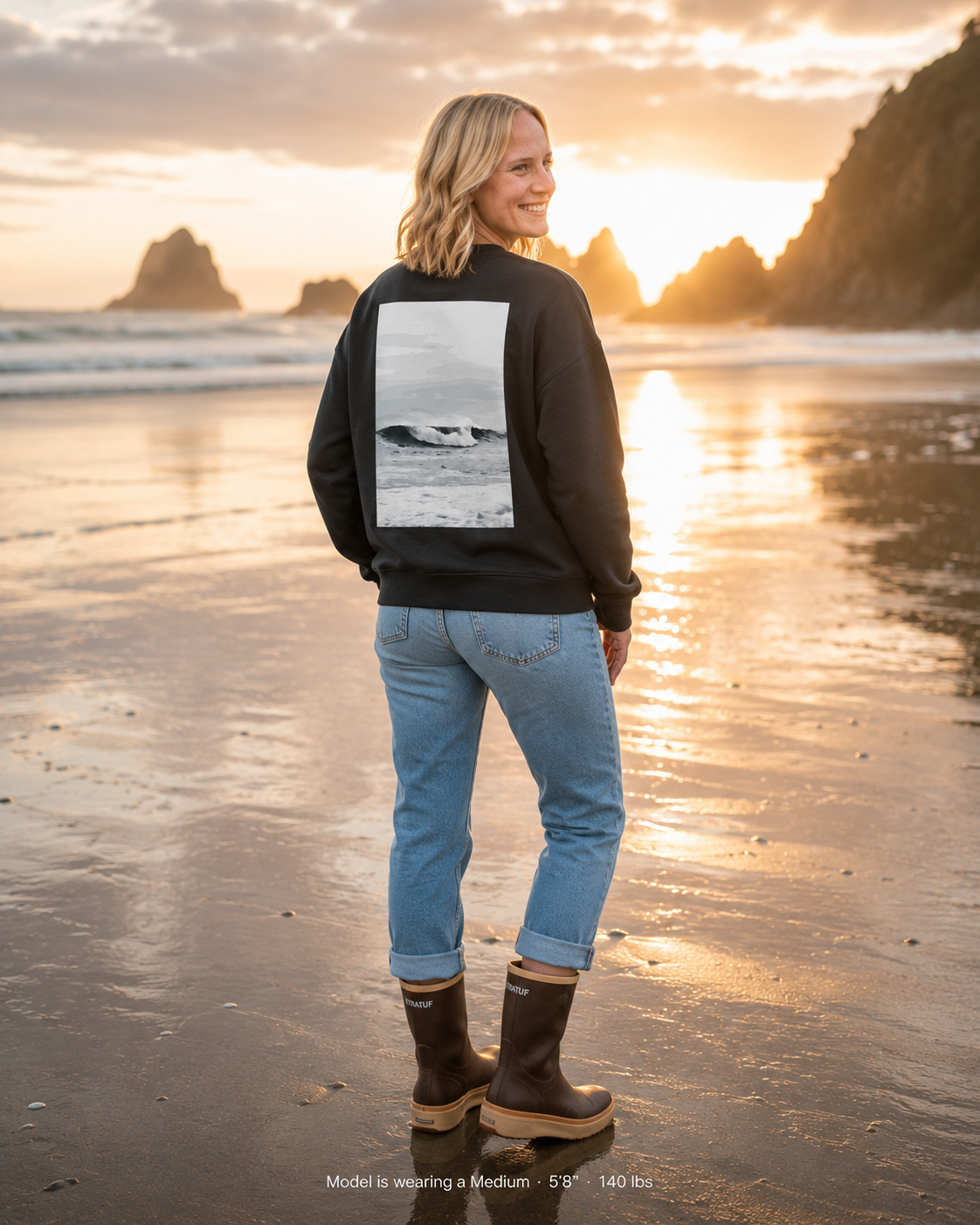
Some of the imagery on our site is made with AI. Some of our ads, too. Some of our social. Not all of it — but enough that I didn't want you finding out sideways. I'd rather just tell you, and tell you why, and let you decide for yourself what you think about it.
That's the honest reason, actually. The first reason. Trust is the whole relationship. It's the same reason we never run a fake countdown clock or a “only 2 left!” banner we made up. If I'd manufacture urgency to sell you a sweatshirt, why would you believe anything else I say? So — no. You get the truth, even when the truth is a little uncomfortable to put on the page.
Here's the rest of it.
Why I Reach For It
We're a tiny team. A team of one, to be exact. Extreme startup mode. Every penny and every minute matters, because the thing we're building — a brand that's actually good at doing good — doesn't survive waste. And we make all of what we sell to order. We don't keep a warehouse full of every product in every color sitting on a shelf, hoping it sells. That's deliberate. It's how we keep the operation lean enough to point real money at product quality and at the giving.
But that creates a strange problem. To photograph a garment the traditional way, you have to have the garment. One of each. In every color. On a rack, in a studio, under lights. For us, that would mean manufacturing copies of things nobody ordered — garments produced for the sole purpose of being photographed once and then never worn by a single human being. Made for nobody.
I couldn't square that. We won't make things nobody asked for just to take a picture of them. AI lets us show you the full range without producing things we'd have to stand behind. It lets a small team move in days instead of weeks-with-a-studio-and-a-crew, and every dollar we don't spend staging an inventory shoot goes back into what you actually feel — the weight of the fabric, the quality of the print, and the 1% of every order supports To Write Love On Her Arms, Active Minds, and NAMI.
The Environmental Part, Honest-Sized
I'll keep this one honest-sized. A lot of what's wrong with apparel, as I understand it, comes down to overproduction — clothing made on a guess that may never get sold or worn. Making all of what we sell to order is our small refusal to play that game. We're tiny — I won't pretend we're saving the planet on our own. But less waste is still less waste. We'll take the small win.
The Personal Reason
I'll own this one. I'm getting older, and I made myself a quiet promise a while back: I'm not going to fall behind on technology. Not out of vanity — out of self-protection. The world is moving toward tools like these whether I like them or not, and I worry the people who don't understand them are the ones most likely to get taken advantage of — financially and otherwise. So I learn them. I sit with them. And the strange gift in that is it's made me more creative, not less — more able to solve problems, build things, and do good in ways that genuinely weren't possible for someone like me a few years ago. Learning these tools cheaply is part of how I stay useful.
Sketchy, Lived Out
We have a symbol in our collection called sketchy. It's a hand-drawn, deliberately imperfect mark, and what it stands for is this: we all have imperfections, and the move isn't to hide them — it's to name them, and either work on them or embrace them as part of who we are. Disclosing the AI instead of quietly using it is that symbol, lived out. The polished move would be to say nothing. We'd rather be sketchy and honest.
How I Actually Make These Images
Here's the part I actually care about most, because it's where most AI imagery falls down.
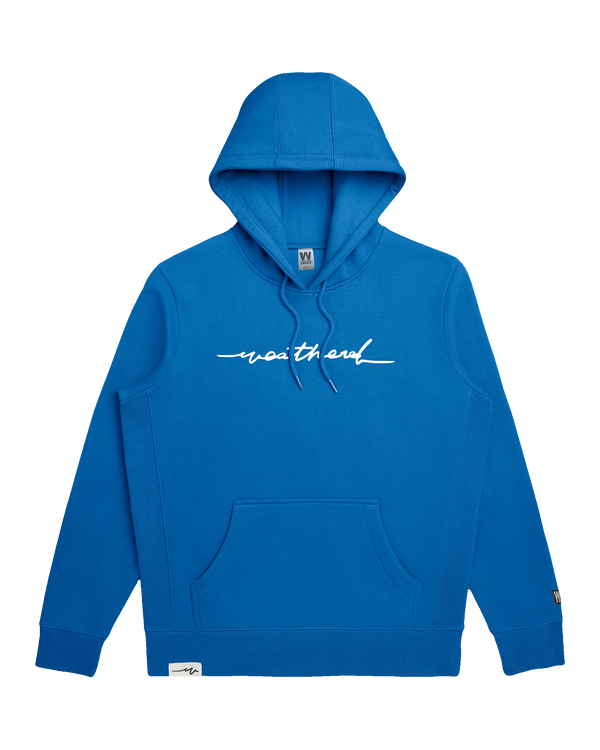
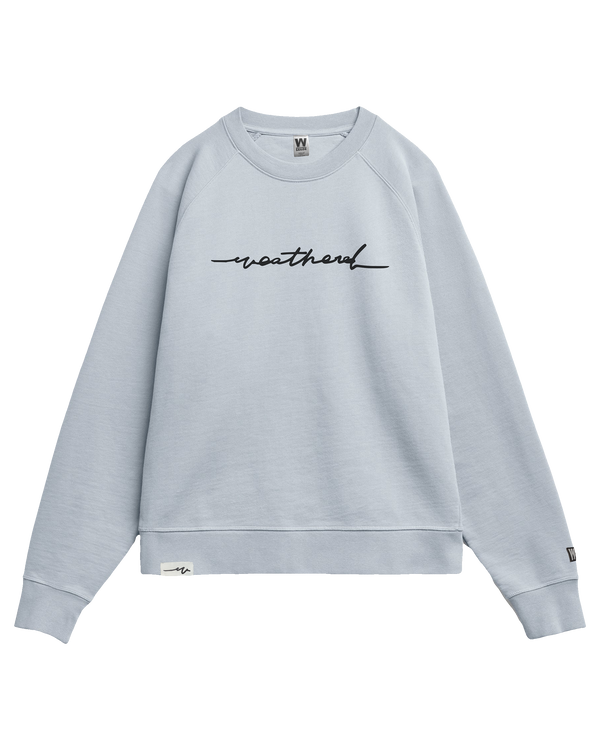
I'm not handing a generator a photo of a sweatshirt and a photo of a person and telling it to go. That's how you get the uncanny stuff — the melted seams, the logo that's almost right, the fabric that drapes like nothing real. It looks like a lie because it is one.
So I built something to do better. For months now I've been training a product-intelligence system of my own — studying the actual discipline of how garments are made, and learning the details that actually matter on the bases we sell: the weight and hand of the fabric, how a collar sits, the way a print or an embroidered mark actually lands on that specific blank. The goal isn't a lifelike image. Lifelike is easy, and lifelike can still lie. The goal is product truth — an image that's honest about how the actual garment is built and how it behaves, so what you see reflects the real thing as faithfully as I can make it.
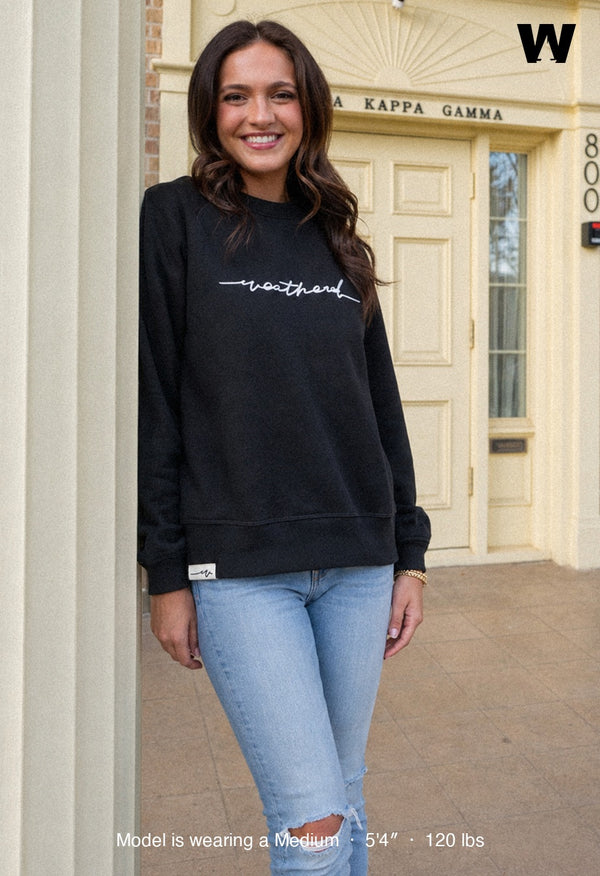
There's another thing I'm building toward with it. Shopping for clothes online means you can't try anything on — you're trusting a flat photo and a measurements chart to tell you how something will sit on a real body. So I'm using these tools to show the gear on real human proportions — how it tends to fall and drape — as one more way to help you make a call you'll be happy with. Until we have real models for every piece, this is how we make progress on the hardest part of selling clothes you can't touch yet. It's not a substitute for your own measurements — the size guide is still the source of truth for fit — but it's one more honest signal.
It's painstaking, and it's never finished. I'm pushing these tools further than they were built to go, and then further again, because “close enough” isn't the standard when someone's about to spend their money on trust. Some of it I get right. Some of it I'm still chasing — that's the sketchy part, named out loud. But the direction is fixed: every image should be as honest as I can make it about the product, even when it's generated — and where a photo can't tell you everything, like exact color or exact fit, that's what the size guide is for.
The Part I Didn't Expect to Be Proudest Of
Here's something that started as a workaround and became my favorite thing we do.
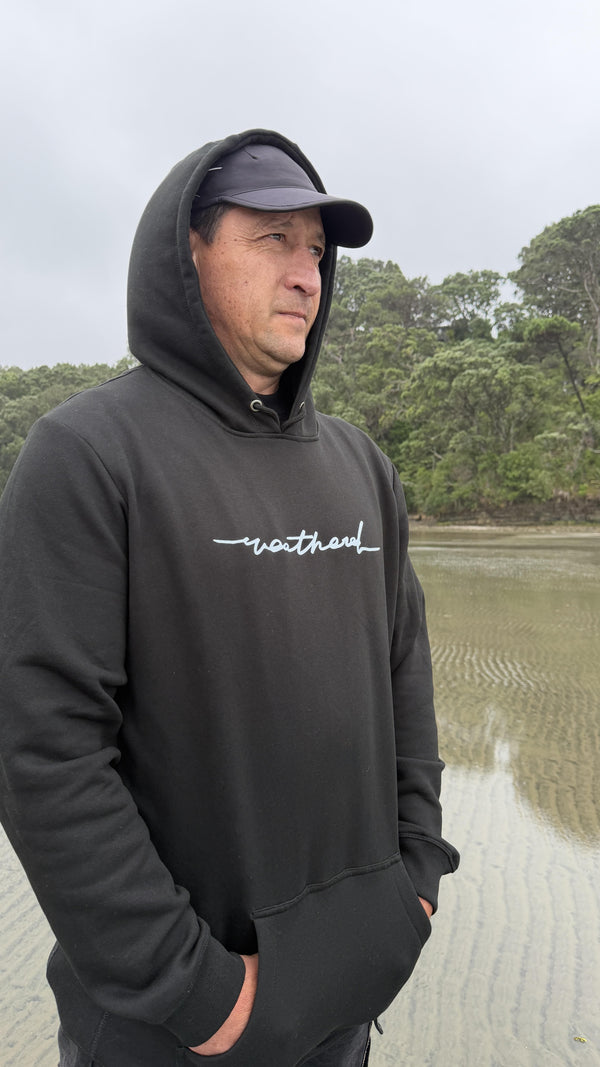
A growing number of our AI images feature real people from our community — folks who wear the gear and opted in because they wanted to be part of showing what it actually looks like on real humans. We're spread all over the map, and everyone's busy; getting each of them into a studio isn't realistic. So we found another way: I make the image, the person approves every shot of themselves before we post it, and we credit each of them by name when it goes up. Nobody in these images is there without saying yes, and nobody here is invented.
That's the version of this I want you to remember. AI didn't replace real people. It's how we got more of them into the picture.
Now the part I most want you to hold me to.
This is a bridge, not a destination. The goal — the actual goal — is real people wearing real product, in every picture, everywhere we show up. We're partway there already, thanks to the folks who opted in. The rest of the way is unmediated photography of real people who weathered something and kept going — and we're getting there one season at a time. I'm writing this down in public on purpose, because a promise you can read is a promise you can hold me to.
So here's mine, in plain words: some of our images are AI today. Fewer will be tomorrow. And I'll keep telling you the truth about which is which.
And one more thing, because it matters. If an AI-assisted image ever sways you toward a piece and the real thing doesn't land the way you hoped — wrong fit, wrong feel, anything — you're covered. We back every order with a 30-day resolution — reach out within 30 days of delivery and we'll make it right, whether that's a size remake, a replacement, store credit, a full refund, or another solution that works for you. Nobody here is left holding something they're not happy with. You'll be heard, and we'll sort it out together.
If that's not for you, I understand, and I'm genuinely glad you took the time to read why. And if it is — welcome aboard. There's room on the boat.